Your hormones are in a delicate balance, and unfortunately, they can be influenced by many outside sources. In the day and age of plummeting fertility rates across America and other countries — a staggering 50% in the last 55 years — this becomes more and more important to understand, as it directly reflects deranged suboptimal hormones.
Testosterone levels in men have plummeted as much as 45% since the 1970s, and estrogen-progesterone-testosterone levels in women have become severely imbalanced. Simple things like diet and lifestyle can play massive roles, and are likely contributors to the recent deterioration. It stands to reason, because if you are not giving your body the fuel it is biologically adapted to thrive on, you will not be as healthy as you can be. Your hormonal health is no exception to this.
The Critical Role of Cholesterol
We have been scared off from eating meat and saturated fat due to concerns over cholesterol. However, the actual molecule cholesterol is one of the most ubiquitous and necessary molecules in your body:
- Every single cell membrane in your body is made from a lipid bilayer of cholesterol
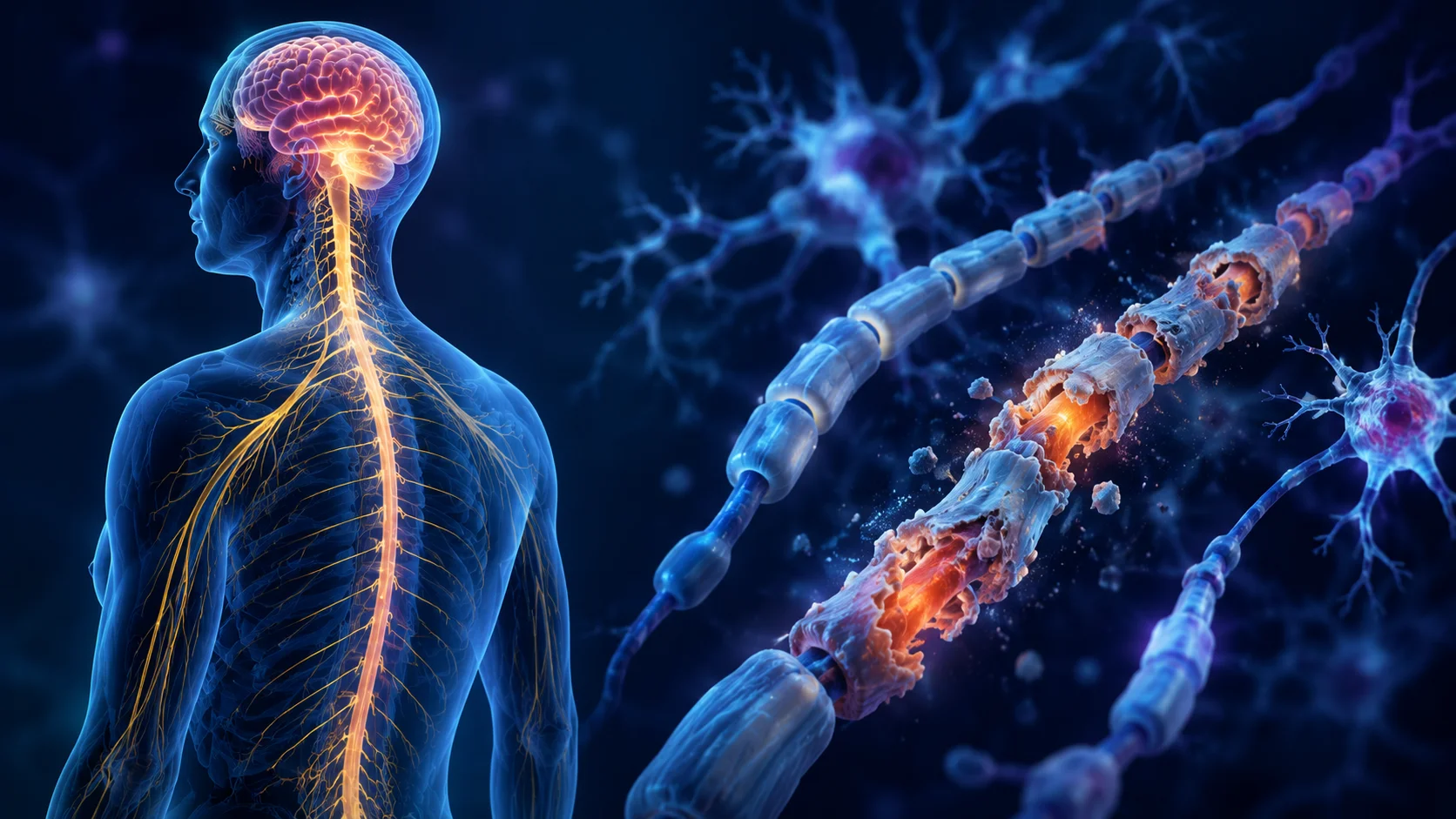
- The axons in your brain are insulated with myelin to increase conductivity, made from fat and cholesterol
- Bile is made with cholesterol
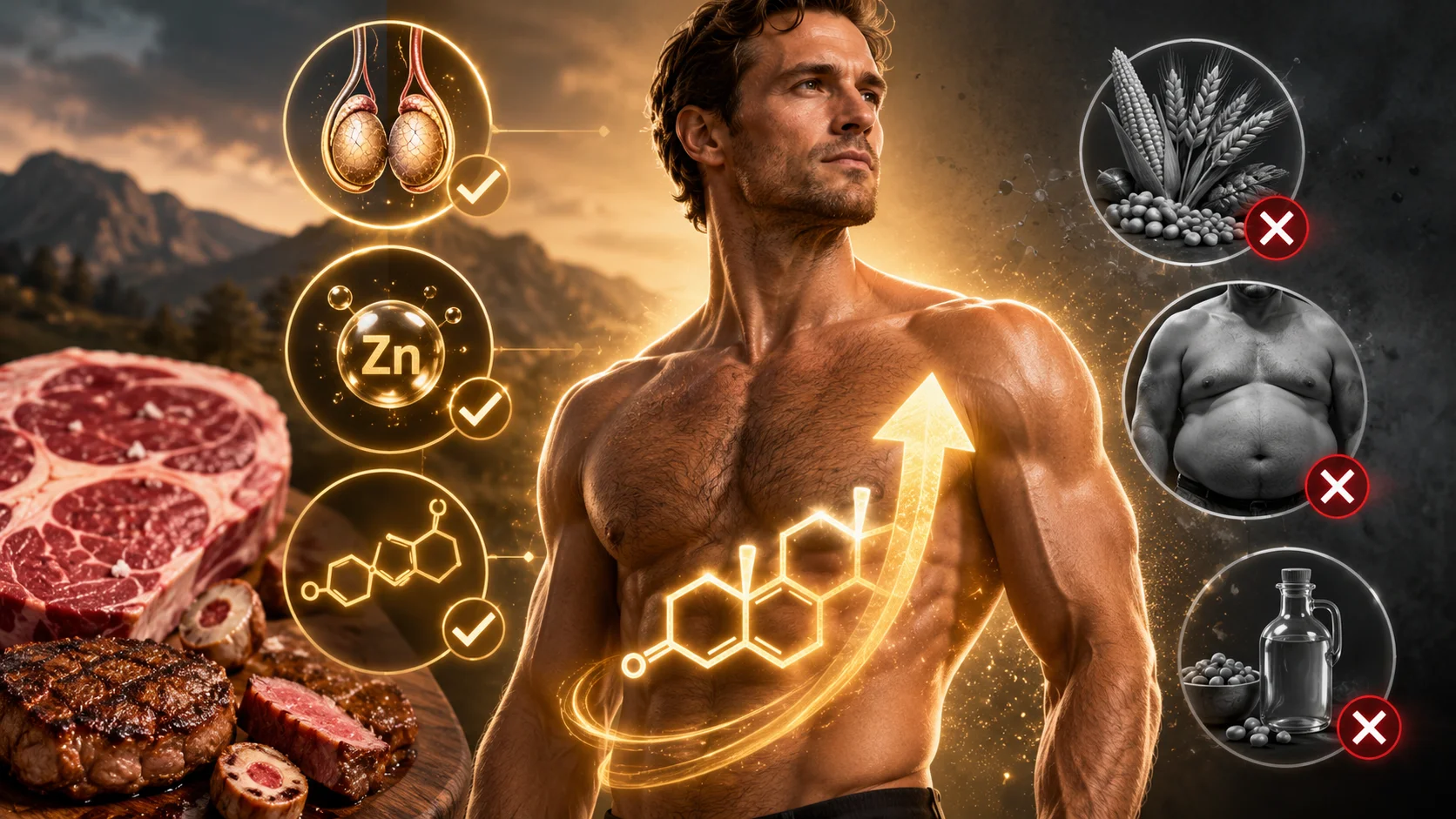
- Cholesterol is the precursor to a large number of your hormones, including your sex hormones
Cholesterol is required to make vitamin D, testosterone, estrogen, progestogens, cortisol, pregnenolone, DHEA, mineralocorticoids, glucocorticoids, and more. There are numerous intermediary steps between cholesterol and testosterone, and each one is a vital hormone with its own specific role in your body. They are all made from cholesterol.
We can make some cholesterol, but not as much as we need. It is estimated that most people will only make about 70% of their required cholesterol levels, and a deficiency in dietary cholesterol can lead to an underproduction of all of these hormones, including your sex hormones.
How Insulin Disrupts Your Hormones
Having chronically high insulin levels from eating even a standard amount of carbohydrates can also disrupt your hormonal balance. Women do not make estrogen directly. As mentioned above, there are multiple steps between cholesterol and testosterone, and then one more step to make estrogen. Women make testosterone first, and then they convert testosterone into estrogen in their ovaries.
High insulin levels block this conversion from testosterone to estrogen, creating a situation where a woman may find she has too much testosterone and not enough estrogen for her needs. Women need testosterone too, just as men need some estrogen, but when these are unbalanced, problems can occur.
PCOS and Infertility
In women, this rise in testosterone and reduction in estrogen can lead to clinical disorders such as polycystic ovarian syndrome (PCOS). Apart from having quite a lot of generally unpleasant effects on the body — such as excess weight gain and hirsutism (excess body and facial hair) — it is the leading cause of infertility in women in America.
Eliminating dietary carbohydrates, or at least significantly reducing them and lowering your insulin levels, can in turn help normalize the balance of your sex hormones, reverse PCOS, and increase fertility.
As most people reading this essay will have already come across, it is widely contended that we do not need to ingest carbohydrates, because in fact we will make the exact amount of blood sugar and glycogen that we need via gluconeogenesis from our fat and protein stores. Carbohydrates are non-essential nutrients, and in fact can cause a significant disruption in your metabolism if you consume them.
Metabolic Medicine and Mitochondria
Metabolic medicine, understanding how the body utilizes energy at the subcellular level, is a growing area of medicine, and an important one. In Harvard professor Chris Palmer's book Brain Energy, he describes the intricate relationship between your cellular function and your mitochondria.
When being in metabolic ketosis, your body will turn over your older, less effective mitochondria (termed mitophagy) and signal the cell to make even more mitochondria. After months of this, it has been shown that people in metabolic ketosis, whether on a carnivore diet or other, can increase the number of their mitochondria and their efficacy by a factor of 4.
Mitochondria are also involved in making cortisone, testosterone, and estrogen, and in fact house some of the genes required for their production. If there is dysregulation of your mitochondria, whether from different toxins that can disrupt and damage the mitochondria, or from having an elevated insulin level and not being in metabolic ketosis, this can lead to a dysregulation of your hormones as well.
What You Don't Eat: Plant Defense Chemicals
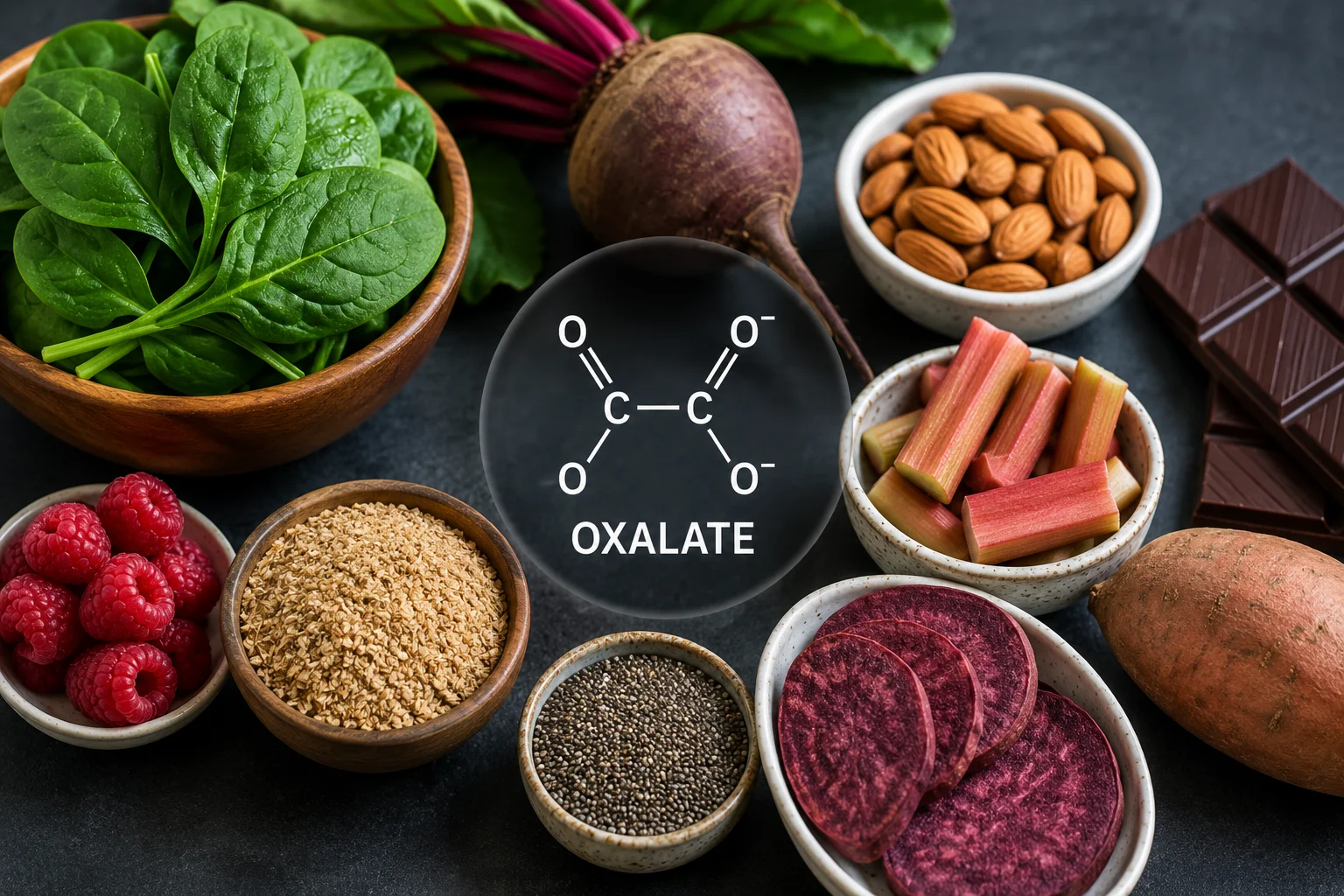
It is not only what we eat that is important for proper hormonal balance, but what we don't eat as well. Plants use very complicated and systematic approaches to defending themselves from predation. Roughly 80% of the biomass on Earth is plant life, and they are under a constant assault by animals, insects, and even fungi who want to eat them to gain nutrients and sustain their own lives.
Physical and Chemical Defenses
Part of the defenses may be physical:
- Barrier protection of bark or wood
- Spikes
- Sap
- Latex which glues the mouth of an animal shut so that it cannot eat and may even starve to death as a result
Very importantly, plants and fungi as a whole make roughly 1 million different defense chemicals which act to poison or disrupt the inner workings of an animal or insect to make it too toxic to eat. Some of these can:
- Cause a disruption of the metabolism by damaging the mitochondria
- Induce vomiting or GI upset
- Cause leaky gut and allow harmful molecules or bacteria into the body
- Increase inflammation and pain
- Even cause death, such as in the case of ricin in castor beans, which is the most poisonous substance known
But they also make chemicals that disrupt the hormones, and may even mimic them.
"Compared to What?" Hormones in Beef vs. Plants
People who detract from the use of dietary meat decry the use of hormones in cattle, which can nearly double the amount of estrogen in the meat. This is technically correct. On average, non-hormone treated cattle have 2.0 nanograms of estrogen per 3 oz of lean beef, and 3.9 nanograms of estrogen in hormone treated beef. A virtual doubling.
However, what they don't tell you is the context in which this lies, or what the alternatives are. As Thomas Sowell has so often asked in these circumstances, "compared to what?"
The Numbers in Context
Source Estrogen Content
Non-hormone treated beef (3 oz) has 2.0 ng
Hormone treated beef (3 oz) has 3.9 ng
Cabbage (3 oz) has 400 ng (phytoestrogen)
Birth control pill has 35,000 ng
Fertile woman per day has up to 150,000 ng
Soy (3 oz) has over 1,000,000 ng (phytoestrogen)
Compared to cabbage, hormone treated beef has 100 times LESS estrogen, as 3 oz of cabbage contain 400 nanograms of a phytoestrogen (a hormone that mimics estrogen in the body). The birth control pill contains 35,000 nanograms of estrogen, and a fertile woman can make upwards of 150,000 nanograms of estrogen in a single day, making this 1.9 ng jump in hormone treated beef a drop in the bucket.
And then what about soy? A common substitute for protein in the plant-based community. 3 oz of soy can contain over 1 million nanograms of phytoestrogen, which can mimic estrogen in the body and cause similar disruptions. In fact, soy has been shown to reduce sperm count and motility in sheep, and reduce fertility in livestock.
So while it is true that hormone treated cows have twice as much estrogen as their untreated counterparts, it all comes down to "compared to what." Many other plants contain phytoestrogens, or phytotestosterone, and other compounds that disrupt the workings and efficacy of testosterone and estrogen in the body. These are just some examples.
Body Fat: An Endocrine Organ
With obesity rates climbing higher and higher since the 1970s, this plays more of a role than people realize. Your adipose tissue, fat, is itself an endocrine organ, meaning that it produces and influences your hormones. In fact, it can be your largest endocrine organ, especially with people who have higher body fat percentages.
This isn't widely known, even to doctors, but your adipose tissue can actually make estrogen. So if you are carrying excess body fat, this can further throw your hormones out of balance, especially in men.
Stress and Cortisol
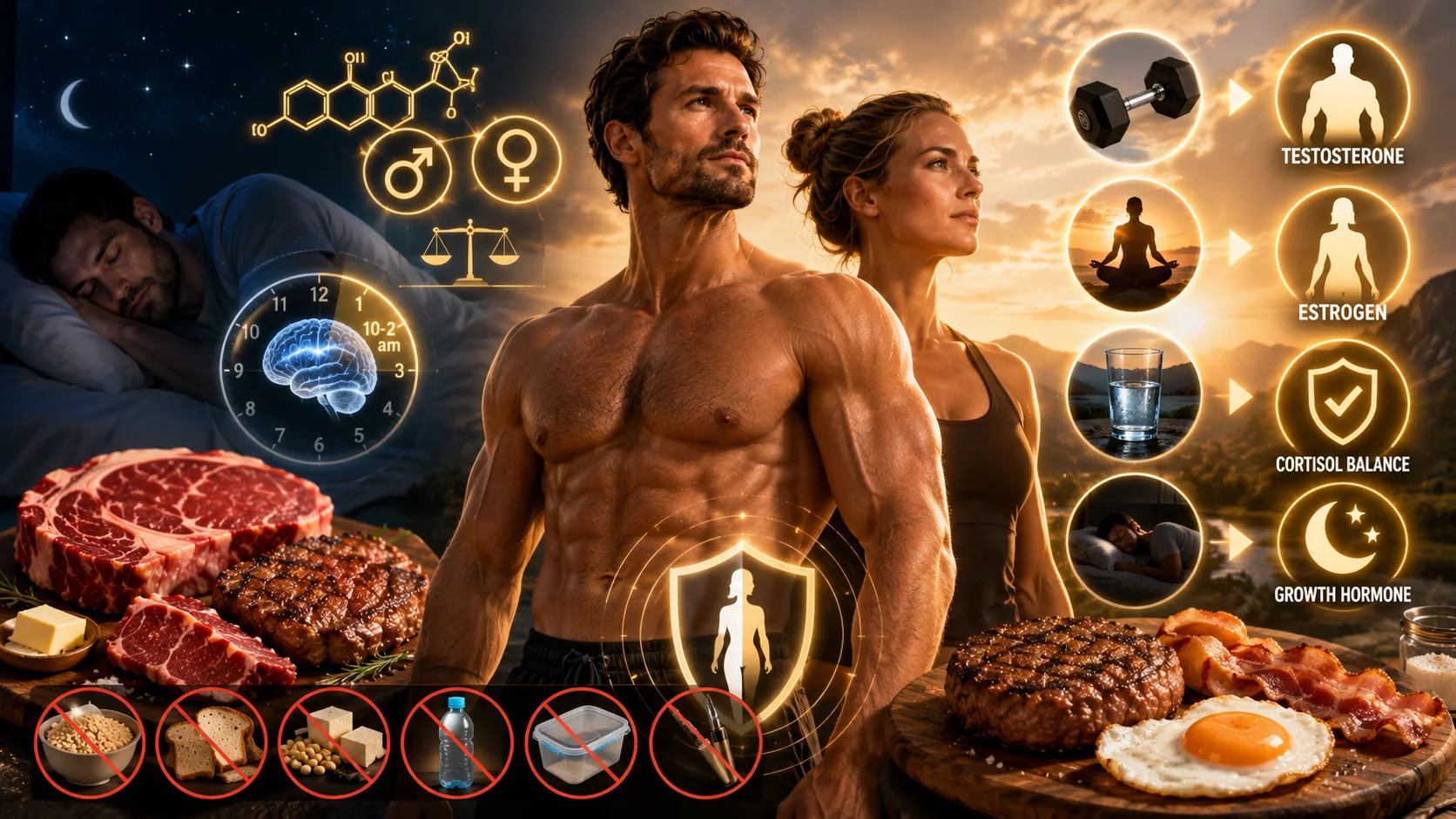
Are there other factors besides diet that can affect your hormones? Absolutely. Most people understand that stress can disrupt your hormones, increasing cortisol and consequently disrupting the balance of testosterone, estrogen, and human growth hormone. So, lowering stress levels by multiple different means can improve your cortisol and sex hormone levels.
Optimizing Sleep for Hormonal Health
Optimizing sleep is also extremely important. Growth hormone, a viral hormone, is extremely important for health and longevity, and it can be significantly disrupted with poor quality sleep, or changing sleep schedules. In fact, people doing shift work — where they change back and forth from day to night or evening shifts — have been well documented to have more sick days and higher cancer rates. Sleep is important. Your circadian rhythm is important.
The Pulsatile Nature of Growth Hormone
Growth hormone is secreted in a pulsatile fashion throughout the day, and can be stimulated by things such as resistance training. Its maximal secretion from your pituitary gland is about 2 hours after you go to sleep — however, this only happens if your sleep schedule is in line with your circadian rhythm.
Unfortunately, if you do not go to sleep on time, or an hour or two late, your body will not secrete this maximal dose, and you will miss out on it for the day. This is also a good reason not to eat carbohydrates in general, but certainly not before bedtime, as elevated insulin levels also block the release and action of growth hormone, rendering your nighttime pulses less beneficial, as well as your daytime and post-exercise ones.
Having a proper sleep schedule and going to bed at the same time every night can help set your circadian rhythm, optimize growth hormone production and usage, as well as give the proper signals and triggers for your cortisol, testosterone, and estrogen hormones being secreted that next morning.
Key Sleep Optimization Points
- Carbs before bed raise insulin, which blocks actions of HGH
- Melatonin can increase HGH production by 75%
- Helps regulate circadian rhythm and hormone expression
Resistance Training vs. Cardio
As alluded to earlier, resistance training is also quite beneficial to hormone regulation. In fact, resistance training has been shown to decrease cortisol while at the same time increasing testosterone and HGH levels. Excessive cardiovascular training has been shown to do the opposite. Plan accordingly.
Endocrine Disruptors in Our Environment
There are also exposures in our environment — even in commonly used products — that can damage our health and disrupt our hormones.
BPA: A Notorious Example
Bisphenol A, or BPA, which is used in plastics, is classified as an Endocrine Disrupting Chemical (EDC) because it can act as a xenoestrogen. EDCs interfere and prevent the binding of natural hormones to their receptors and/or can act as hormone mimics. As a consequence, they exaggerate the effects of your normal hormones.
BPA has been shown to:
- Have estrogenic effects and disrupt the hormones in both males and females
- Have lasting epigenetic effects on adults
- Lower sperm count and fertility in men
- Affect the development of a fetus if the mother is exposed while pregnant, or in the months preceding conception
Studies have shown that exposure to BPA in pregnant women can reduce the average penis size in male offspring, and that this reduction in average penis length will be transmitted to the next generation as well. It is not until the third generation without exposure that normal penis size returns.
Whatever your feelings are on this, it is a clear illustration that this substance seriously affects the hormones in your body, and the epigenetic expression in yourself and your offspring, with lasting results.
The Problem with "BPA-Free" Alternatives
The problem is that it's not enough to just avoid BPA plastics, because the alternatives used are similar enough to BPA that they have the same or similar effects on your body and hormones. So the best thing to do is avoid plastics altogether, especially when cooking or containing hot food or liquids, as the heat increases the amount of BPA that is leached out into the food and drink, which you then consume.
There are many other EDCs commonly used in various products and substances besides plastics that are worth looking into in case you come across them in your daily life.
Carnitine: Taking It to the Next Level
Once you have your hormones in balance, you have to take it to the next step. Hormones work on receptors, which then propagate signals to alter gene expression in the nucleus. If you have a reduced number of receptors, you will get a reduced signal, and reduced action of these hormones.
Carnitine has been shown to increase your testosterone receptors, meaning that they will increase the signal propagated from the level of testosterone that you already have available. Carnitine is not found in plants or fungi, but only in animal products such as meat and dairy, and the most abundant source of carnitine is red meat.
We do make carnitine ourselves, like cholesterol, so it is considered a non-essential amino acid. However, not everyone makes enough, or even any at all, and as further carnitine acquired in our diet does show a beneficial relationship, it is very likely that we benefit from this dietary carnitine past what is strictly required for life and development.
Additionally, humans have been eating red meat for millions of years according to the best data, so having carnitine available in our diet is something we have developed with, and is likely an integral part of optimal hormonal function in both men and women.
The Carnivore Diet as a Clinical Strategy
This is all a very complex way of saying that you should eat a biologically appropriate diet that is specific to your species, and avoid any plants, fungi, or artificial ingredients and materials that lay outside this. In other words, a high fat carnivore diet without any carbs or sweeteners, or better yet a Lion Diet, replete with cholesterol, seems to be optimal for balancing our health and hormones.
Clinical Results
In my metabolic health and functional medicine practice, we use a carnivore diet that puts people into metabolic ketosis to do exactly that. This helps normalize the ratio of estrogen and testosterone in both men and women, as well as progesterone, HGH, thyroid hormone, cortisol, and more.
Typically we see that even older men can raise their testosterone levels naturally by 30 to 40% in as little as 3 months by adopting a high fat carnivore diet devoid of carbohydrates, sugar, and alcohol. Women have even been known to significantly diminish the symptoms of menopause, and some have even regained their cycle years after they thought it was gone for good.
A Remarkable Case
Dr. Ken Berry has relayed his clinical experience where, when putting women on a ketogenic diet, he found that a number of his patients who had been in menopause for over 5 years (in their mid 50s) came back irate because they had fallen pregnant without realizing they were even fertile again. It sounds like a bit of a disaster to most people — thankfully I'm told that the women involved felt quite blessed after the initial shock had worn off — but it is a reflection of just how much of a difference diet can make on hormonal health.
Conclusion
Achieving hormonal balance requires a holistic approach encompassing dietary choices, lifestyle modifications, and environmental awareness. A carnivore diet emerges as a promising strategy for optimizing hormonal health, supported by evidence of its efficacy in clinical practice. By prioritizing nutrient-dense foods and minimizing exposure to endocrine-disrupting chemicals, individuals can empower themselves to reclaim vitality and well-being through balanced hormones.